
What Is Videonystagmography? A Clear Guide to Understanding VNG Testing.
Written by:
Esperanza Medical & Wellness.
Posted:
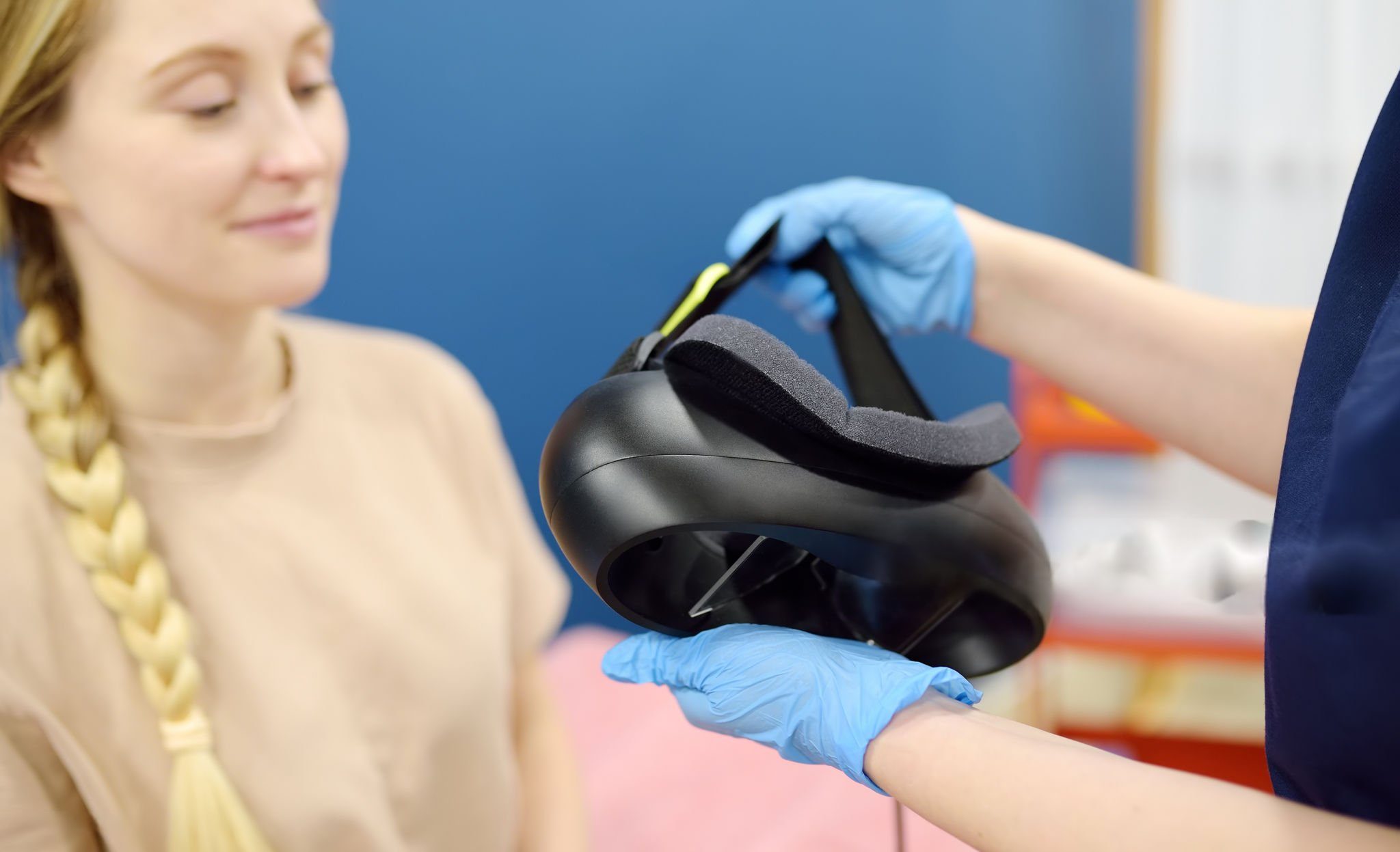
If you’ve ever experienced unexplained dizziness, vertigo, or balance issues, your healthcare provider might recommend a test called Videonystagmography, or VNG. This diagnostic tool is essential for evaluating the health of your inner ear and central nervous system, particularly when symptoms suggest a vestibular disorder.
What Is Videonystagmography (VNG)?
Videonystagmography (VNG) is a series of tests that assess the function of your vestibular system—the part of your inner ear responsible for balance and spatial orientation. By tracking involuntary eye movements known as nystagmus, VNG helps determine if dizziness or balance issues stem from inner ear dysfunction or neurological conditions.
Why Is VNG Testing Important?
VNG testing is crucial for diagnosing various conditions that affect balance and coordination. It provides objective data that can pinpoint the underlying cause of symptoms like vertigo, dizziness, and unsteadiness. Conditions commonly diagnosed through VNG include:
Benign Paroxysmal Positional Vertigo (BPPV)
Meniere’s Disease
Labyrinthitis
Vestibular Neuritis
Acoustic Neuroma
Multiple Sclerosis
Traumatic Brain Injury (TBI)
Stroke
Identifying the specific cause allows for targeted treatment plans, improving patient outcomes.
How Does VNG Testing Work?
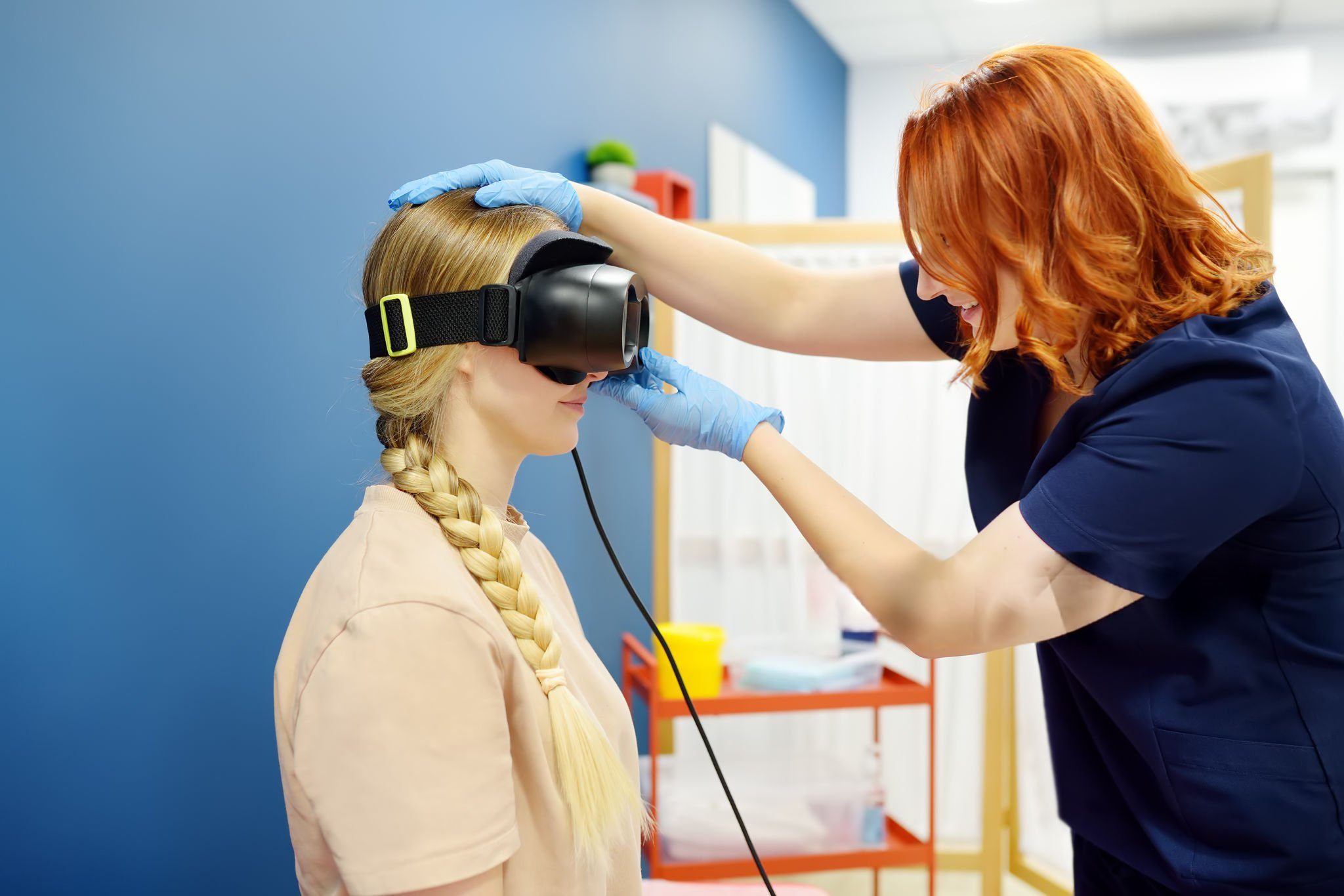
During a VNG test, you’ll wear specialized goggles equipped with infrared cameras that record your eye movements. The test typically includes several components:
1. Oculomotor Testing
This assesses your ability to follow visual targets with your eyes, evaluating the coordination between your eyes and brain. You’ll be asked to track moving lights or objects on a screen without moving your head.
2. Positional Testing
Your head and body will be moved into various positions to observe any abnormal eye movements that may indicate a vestibular disorder. This helps identify issues like BPPV, where certain head positions trigger vertigo.
3. Caloric Testing
This involves introducing warm and cool air or water into your ear canals to stimulate the inner ear. The response of your eyes to these stimuli helps assess each ear’s balance function individually.
Preparing for a VNG Test
To ensure accurate results, follow these preparation guidelines:
Avoid alcohol, caffeine, and certain medications (like antihistamines or sedatives) for 24–72 hours before the test, as advised by your healthcare provider.
Refrain from wearing eye makeup or contact lenses on the day of the test.
Arrange for someone to drive you home afterward, as you may feel dizzy or unsteady.
What to Expect During and After the Test
The entire VNG procedure typically takes about 60–90 minutes. While the test is non-invasive and generally well-tolerated, some patients may experience temporary dizziness or nausea, especially during caloric testing. These symptoms usually subside shortly after the test.
Interpreting the Results
Abnormal findings in a VNG test can indicate various vestibular disorders. Your healthcare provider will analyze the results to determine the specific cause of your symptoms and develop an appropriate treatment plan, which may include vestibular rehabilitation therapy, medication, or further diagnostic testing.
Conclusion
Videonystagmography is a valuable diagnostic tool for uncovering the root causes of dizziness and balance disorders. By providing detailed insights into the function of your inner ear and related neural pathways, VNG testing enables healthcare providers to tailor treatments that address your specific condition, helping you regain stability and improve your quality of life.